Why Quoting Is the Hidden Profit Killer

Why Quoting Is the Hidden Profit Killer


In today’s competitive automotive supply landscape, every decision comes down to one question: are we protecting our margins or giving them away? While many suppliers focus on cost reduction and operational efficiency, the real margin story often starts much earlier—inside the quoting process itself. At Campfire Interactive, we’ve seen how hidden inefficiencies in RFQs quietly erode profit potential long before production begins.

Every quote hides a margin story. Most teams lose profit before the RFQ even ends.

Why Quoting Is the Hidden Profit Killer

In the fast-moving world of automotive supply, the quoting process is where profit is made—or quietly lost. Teams spend hours building detailed quotes, negotiating materials, and managing customer timelines. But beneath that activity lies a simple truth: the way you quote determines how much profit your business actually keeps.

The Quoting Trap: Busy ≠ Profitable

Many suppliers believe that quoting faster means quoting better. Yet, speed without accuracy often leads to margin leakage. When data lives in spreadsheets, assumptions are made manually, and approvals drag, every RFQ becomes a gamble.

Margins begin to erode long before the final numbers hit the customer’s desk. Missing visibility into cost drivers, inconsistent pricing logic, or disconnected forecasts mean that teams may submit competitive quotes—but not necessarily profitable ones.

It’s a silent profit killer because the losses are invisible until it’s too late. Months later, when production begins, finance teams discover that the quote didn’t cover true costs or that volume assumptions were off. The damage has already been done.

Disconnected Data, Disconnected Decisions

In most quoting environments, the biggest challenge isn’t effort—it’s fragmentation. Engineering, sales, and finance each work from their own version of reality. Spreadsheets, local files, and legacy systems make it nearly impossible to see the full picture.

This disconnection creates misalignment across the organization. The sales team may chase aggressive pricing to win business, while finance tries to protect margins. Program management may forecast one outcome while operations expects another. Without a shared data foundation, each department makes the best decision they can—but not necessarily the right one for the company’s bottom line.

Turning Quoting into a Strategic Advantage

Leading suppliers are flipping the script. They’re treating quoting as a strategic function—not just a sales task. By connecting quoting with forecasting, cost modeling, and profitability analysis, they can respond faster and smarter.

Automating RFQs doesn’t just save time; it creates consistency. It ensures that every quote reflects accurate data, up-to-date cost inputs, and aligned profitability targets. Teams can collaborate in real time, review what-if scenarios, and make decisions with confidence.

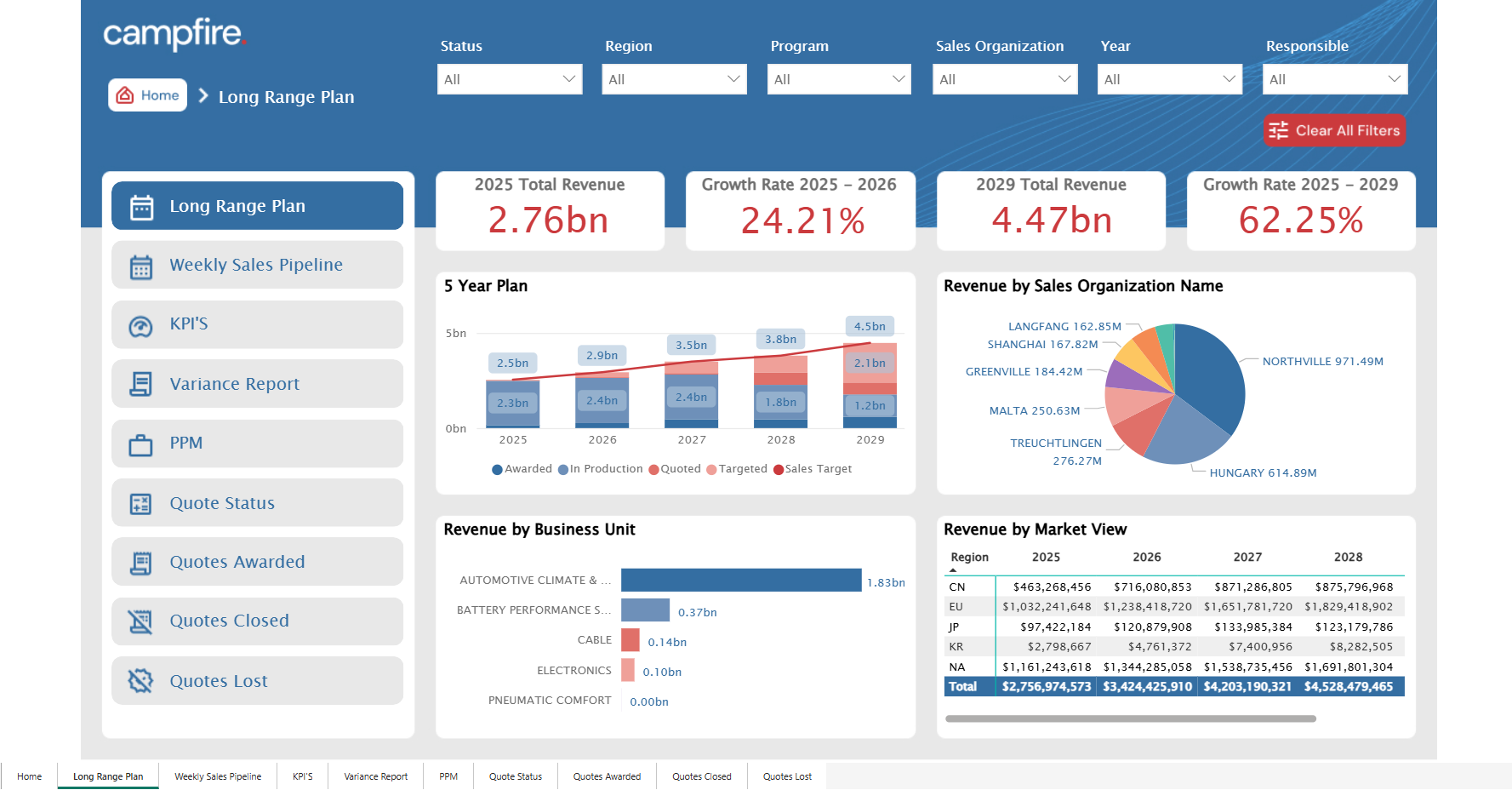
With Campfire Interactive’s quoting and forecasting solutions, suppliers gain the clarity they need to protect margins at the earliest stage of the process. Every RFQ becomes an opportunity to optimize—not a risk to manage.

The Bottom Line

Profit isn’t lost on the shop floor—it’s lost in the quote. Every disconnected spreadsheet, every manual entry, every assumption that goes unchecked chips away at long-term margin health.

By centralizing your quoting process and connecting it to the broader business ecosystem, you can transform your RFQs from hidden liabilities into measurable profit drivers.

Because every quote tells a story—and with the right tools, it can finally be a profitable one.

Related Posts