Audit-Ready. Margin-Protected. Execution-Aligned.
Most suppliers don’t fail audits because they lack quality systems. They fail because they lack execution control. For 60–90 days before an audit, teams scramble: pulling spreadsheets, chasing...
Automotive suppliers are heading into 2026 with a looming financial challenge: profitability is eroding at the fastest rate in more than a decade. Between margin compression, aggressive OEM price-downs, and a lack of real-time cost visibility, many Tier 1 and Tier 2 suppliers are struggling to protect already-thin margins.
The result? What industry analysts increasingly refer to as the 2026 Supplier Profitability Crisis—a perfect storm of pricing pressure, cost volatility, and operational inefficiencies that expose just how fragile traditional forecasting and quoting processes have become.
👉 Want the full strategic roadmap? Download the “2026 Supplier Profitability Playbook.”
Why Margins Are Collapsing: 4 Structural Pressures Suppliers Can No Longer Ignore
1) OEM Price-Downs Are Now Constant, Not Cyclical
Automotive OEMs have always pushed for price-downs, but the frequency and magnitude have escalated sharply. According to MEMA and public OEM reports, many suppliers now face annual and even quarterly mandated reductions—with little visibility into how those price-downs will impact multi-year program profitability.
This creates a vicious cycle:
Without integrated modeling that ties quoting decisions to long-term financial impact, suppliers can’t defend their margins or negotiate from a position of strength.
👉 Unify Forecasting, Quoting, and Margin Intelligence.
2) Margin Compression from Material Volatility Is Getting Worse, Not Better
Despite hopes for post-pandemic normalization, material indexes remain unstable, and tariffs have returned as a top-three cost driver for suppliers.
Examples:
Margin compression is no longer tied to a few categories—it’s systemic.
3) Suppliers Still Lack Real-Time Cost Visibility
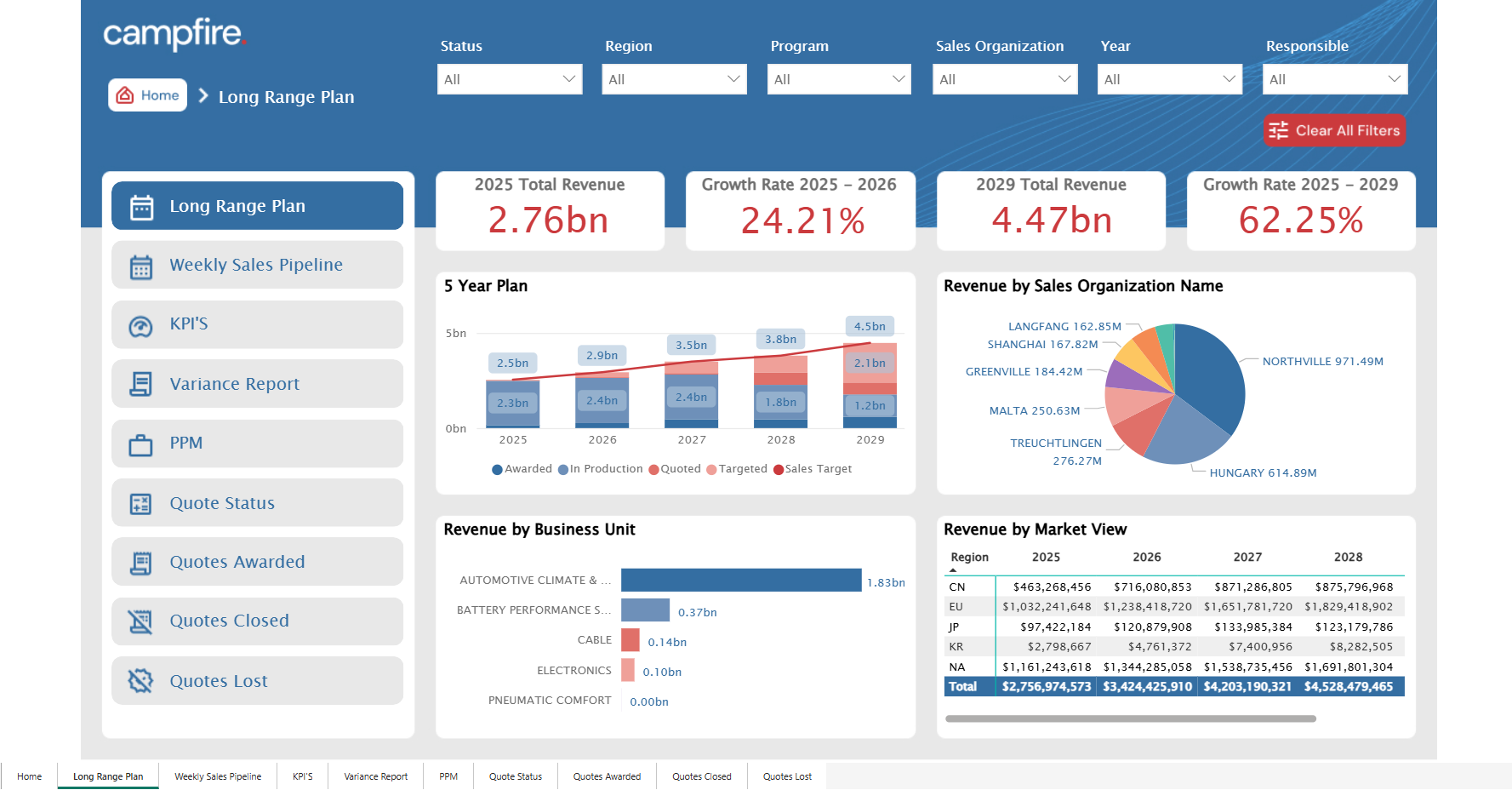
Most suppliers still manage forecasts, quotes, and financial modeling in spreadsheets. While these tools are familiar, they create blind spots that now threaten the business:
This lack of integrated visibility causes suppliers to accept unprofitable business without realizing it—the most common and most dangerous driver of profit erosion.
A recent Deloitte study on automotive supply chain resilience highlights this exact issue: companies with unified cost visibility outperform peers by up to 15% in EBIT margin.
4) Forecasting & Quoting Are Too Slow for 2026 Market Conditions
Speed is now a competitive weapon. But most suppliers rely on manual reviews and tribal knowledge, creating processes that are:
When forecasting and quoting lack automation and real-time data, suppliers lose deals—or win the wrong ones.
👉 Quote with Accuracy, Deliver with Confidence, and Secure More Awards.
The Cost of Inaction: What Happens If Suppliers Don’t Adapt
Every supplier knows margins are under pressure, but few quantify the real cost of operational gaps. Without major changes in 2026, suppliers may face:
More suppliers than ever are asking a hard question: Are we measuring profitability—or just assuming it?
How Automotive Suppliers Can Protect Margins in 2026
1) Build a Single Source of Cost Truth
Profitability can only be defended when teams operate from shared, real-time data. Suppliers must replace siloed spreadsheets with unified models that connect:
This eliminates the biggest driver of margin leakage: misaligned cost assumptions.
2) Automate OEM Recovery and Tie It to Actuals
Recovery is no longer optional—it's a survival mechanism. Suppliers need automated systems that:
Most suppliers leave 20–40% of eligible recovery dollars on the table simply because they lack structured data workflows.
👉 Turn OEM Recovery Complexity into Cash—Automatically.
3) Quote Faster, More Accurately, and with Profitability in Mind
Speed matters—but not without precision. Modern quoting must incorporate:
This transforms quoting from "estimate and hope" into a predictive profitability engine.
4) Align Sales, Finance, and Operations Around the Same Profitability Metrics
2026 will reward suppliers who break down internal silos. The winning model is one where:
Unified visibility = unified decision-making = protected margins.
The Path Forward: Profitability Optimization Requires New Tools and New Thinking
The 2026 Supplier Profitability Crisis is real—but avoidable for suppliers ready to modernize how they forecast, quote, and manage cost visibility.
The suppliers who thrive will be those who:
Those who don’t will continue to face accelerating margin compression—and shrinking strategic leverage with OEMs.
Download the “2026 Supplier Profitability Playbook”
Get the complete roadmap covering:
Most suppliers don’t fail audits because they lack quality systems. They fail because they lack execution control. For 60–90 days before an audit, teams scramble: pulling spreadsheets, chasing...
In today’s ultra-competitive automotive supply chain, margins are tighter and expectations are higher than ever. Whether you’re a Tier 1 powertrain supplier or a Tier 2 electronics manufacturer,...
Across manufacturing organizations, especially complex automotive suppliers, one problem keeps showing up in different forms: Finance says margins are eroding. Sales says deals were quoted correctly....