How Tier-1 Suppliers Build Forecast Agility With Profitability A.I.

How Tier-1 Suppliers Build Forecast Agility With Profitability A.I.

In today’s supply chain environment, Tier-1 suppliers are facing an uncomfortable truth: forecasts are more volatile than ever, and traditional planning processes simply can’t keep up. Long lead times, unpredictable customer demand, and increasing cost fluctuations have created a landscape where even the best-run teams are struggling to maintain confidence in their numbers.

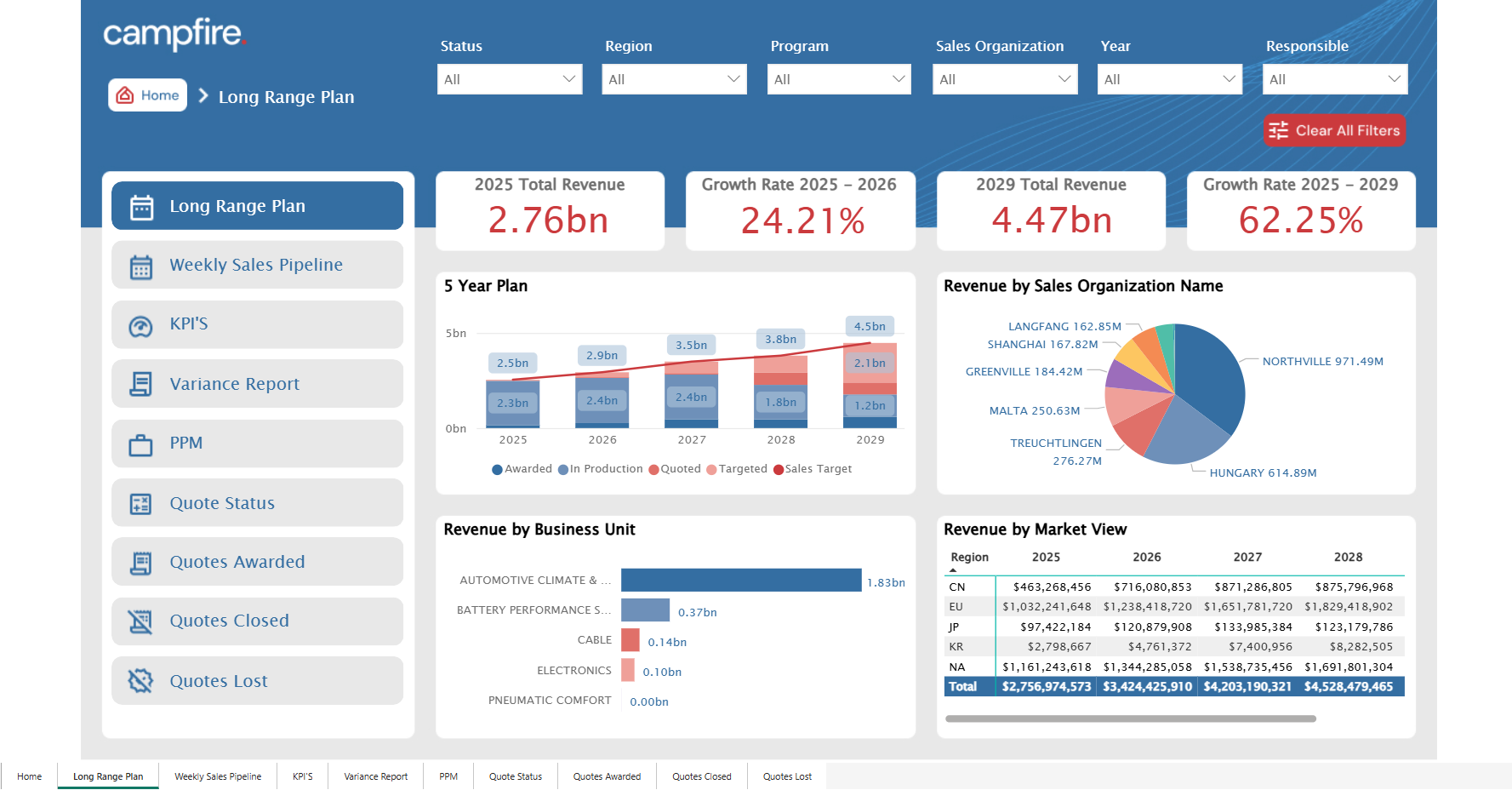
Yet while volatility isn’t new, the way leading suppliers are responding is. Over the last 18 months, a growing number of Tier-1 manufacturers have started adopting Profitability A.I.—intelligent forecasting and margin analysis tools designed specifically for complex, engineer-to-order and high-mix environments. The result? Faster course correction, real-time visibility into margin risk, and a level of agility that simply isn’t possible with spreadsheets or siloed legacy systems.

Here’s how Tier-1 suppliers are transforming their forecasting processes and rebuilding predictability in a market that seems designed to fight it.


1. They’re Replacing Excel-Based Forecasting with Connected, Real-Time Data

Most Tier-1 suppliers still manage forecasts through a complicated web of spreadsheets: one file for demand planning, another for cost assumptions, another for quote win rates, and several more for production capacity. The problem is that forecasts built on static data degrade quickly—and leadership teams make decisions based on numbers that were outdated before the meeting even started.

Profitability A.I. changes this by connecting the full quoting, opportunity, and cost landscape into one unified model. Instead of manually stitching data together every week or month, Tier-1 teams can see real-time changes in:

  • Customer demand and pipeline velocity

  • Quote conversion probability

  • Cost changes by component or commodity

  • Margin exposure at the program level

  • Capacity utilization and potential bottlenecks

This shift from “batch forecasting” to “continuous forecasting” is what gives suppliers the agility they’re missing.


2. They’re Using Intelligent Margin Visibility to Prevent Downstream Surprises

Margins are no longer stable enough to treat forecasting and profitability as separate processes. When a single cost swing can turn a profitable program into a loss, suppliers need a way to model the impact of every scenario—not just demand uncertainty, but margin uncertainty.

Tier-1 suppliers adopting Profitability A.I. gain the ability to:

  • Flag margin erosion early, before it blindsides the team

  • Simulate cost changes and their impact on forecasted profitability

  • Identify which quotes or opportunities carry the highest risk

  • Prioritize quoting efforts based on profitability, not just volume

This isn’t just forecasting—it’s margin intelligence woven directly into the forecasting engine.


3. They’re Shifting from Reactive Firefighting to Proactive Decision-Making

In many Tier-1 organizations, forecasting is an administrative process: pull the reports, update last month’s numbers, distribute the files, debate the deltas, and then start the cycle again. But this monthly rhythm doesn’t match the pace of today’s supply chain.

Profitability A.I. enables a new approach where forecasting is dynamic, collaborative, and tied to decisions—not spreadsheets.

Leading suppliers are now:

  • Updating forecasts daily (not monthly)

  • Catching material or labor risks before they hit production

  • Aligning sales, finance, engineering, and operations around the same data

  • Moving from conversations about “what happened” to “what’s about to happen”

This creates a culture where agility isn’t a crisis response—it’s a strategic advantage.


4. They’re Building Resilience into Their Quoting and Program Management Workflows

Forecast agility doesn’t just improve visibility—it strengthens profitability across the entire lifecycle of a program. Tier-1 suppliers using Profitability A.I. are successfully shortening their quoting cycles, improving win rates, and locking in stronger margins because their decisions are rooted in accurate, predictive intelligence.

Instead of reacting to volatility, they are designing their workflows around it.


The Bottom Line

Forecasting will never be perfectly predictable—especially in complex Tier-1 manufacturing. But the suppliers who are winning today aren’t the ones with the biggest spreadsheets or the longest review meetings. They’re the ones who have embraced a new forecasting model built for speed, transparency, and profitability.

Profitability A.I. is becoming the backbone of that model.

Tier-1 leaders are using it to stay ahead of volatility, uncover margin risk before it hits the P&L, and create a level of forecasting confidence that was previously out of reach.

If your forecasting process still relies on spreadsheets, siloed data, or manual updates, it’s time to rethink what agility looks like. The manufacturers who adapt first will own the competitive edge—and the profitability that comes with it.


Ready to Improve Your Forecasting Accuracy?

Campfire helps Tier-1 and Tier-2 suppliers connect quoting, forecasting, and profitability into one intelligent system—so you can act faster, protect margins, and build confidence in every decision.

See how Profitability A.I. transforms forecasting → Schedule a demo.

Related Posts